


Introduction: Why Most To-Do Lists Fail

Most people don’t struggle with productivity because they are lazy. They struggle because their day has no shape.
You start with a long to-do list. Ten, maybe twenty tasks. By midday, you’re jumping between emails, messages, and half-finished work. Nothing feels complete. Everything feels urgent. Mental fatigue builds fast.
The problem is not effort. It is structure.
When your day is unstructured, your brain is forced to constantly decide what to do next. That decision-making drains energy, creates stress, and leads to endless task switching. Even the best productivity rules fail if there is no clear system guiding your time.
Productivity improves when your day has boundaries. When priorities are defined before the day begins. When you know exactly what deserves your focus and what can wait.
This is where understanding what is the 3 3 3 rule becomes powerful.
The 3 3 3 method productivity approach is a simple framework that brings clarity to your day. It combines time blocking productivity with intentional task selection, turning a chaotic to-do list into a structured daily productivity system you can actually follow.
Table of Contents
Section 1: What Is the 3 3 3 Rule for Productivity?
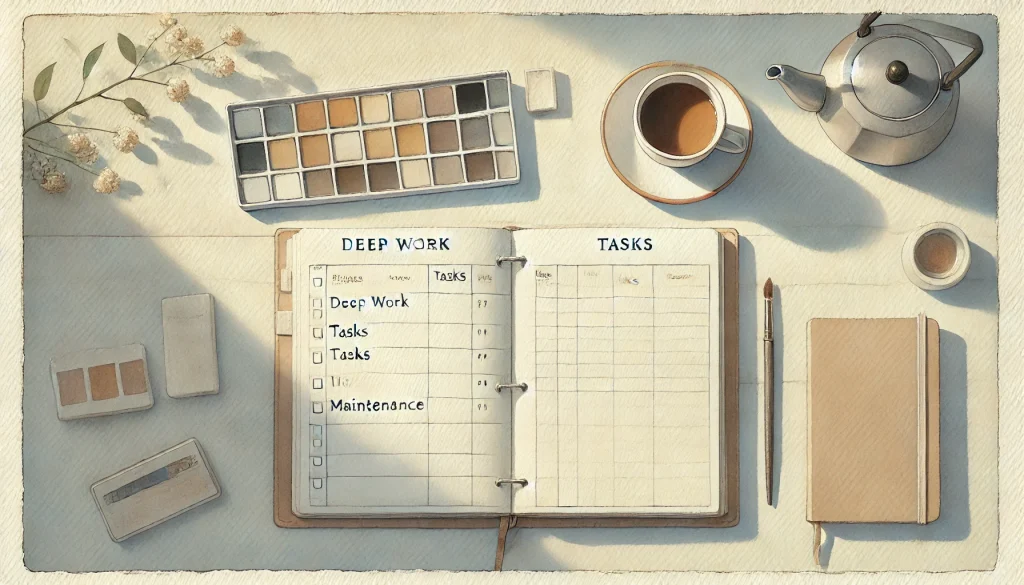
So, what is the 3 3 3 rule?
The 3 3 3 rule for productivity is a daily planning and time blocking framework that divides your workday into three clear parts. It is not a strict scientific formula. It is a practical system designed to simplify how you manage your time and energy.
At its core, the 3 3 3 rule time management approach focuses on doing fewer things with more intention.
Here is the structure:
- 3 hours of deep work on your most important task
- 3 shorter, meaningful tasks
- 3 maintenance tasks
The first part is built around the deep work method. This is where your highest value work happens. It requires focus, minimal distractions, and sustained attention.
The second part includes tasks that are important but less mentally demanding. These are often delayed tasks that still need progress.
The final part is maintenance. These are the small but necessary actions that keep your workflow running, like emails, planning, and coordination.
The purpose of this system is simple:
- Reduces decision fatigue by limiting choices
- Creates a clear structure for your day
- Balances meaningful progress with routine upkeep
Instead of reacting to an endless list, you follow a defined path.
The key idea behind the 3 3 3 method productivity system is this: you do not need more tasks. You need a better structure for the tasks that matter.
It replaces overwhelming to-do lists with a simple, repeatable system that aligns with how your brain actually works.
If you often struggle to get started, you can combine this with the 2 Minute Rule, a simple habit strategy that helps you take the first step without resistance.
Section 2: The Three Parts of the 3 3 3 Rule Explained

The power of the 3 3 3 method productivity system comes from its simplicity. Instead of juggling everything at once, your day is divided into three clear layers of work. Each layer serves a different purpose, and together they create a balanced daily productivity system.
2.1 The 3 Hours of Deep Work
Deep work is focused, high-value, distraction-free work. It is the kind of work that requires full attention and produces meaningful results.
This is not multitasking. This is not checking notifications. This is complete focus on one important task.
Examples of deep work include:
- Writing articles or reports
- Coding or building projects
- Strategic thinking and planning
- Studying complex material
This is where real progress happens.
- It moves your biggest goals forward
- It uses your peak mental energy
- It creates output that actually matters
The deep work method is the foundation of most effective productivity rules because it prioritizes impact over activity.
For best results, this block should be scheduled early in the day. Your brain is fresher, distractions are lower, and your ability to focus is at its highest.
2.2 The 3 Shorter Tasks
After deep work, your energy naturally starts to dip. This is where shorter tasks fit in.
Shorter tasks are meaningful tasks that typically take around 30 to 60 minutes. They are important, but they do not require the same level of intense focus as deep work.
Examples include:
- Reviewing documents or feedback
- Preparing presentations
- Completing pending assignments
These tasks often sit in the background. They are not urgent enough to demand attention, but they are too important to ignore.
Their purpose is clear:
- Clear important but not urgent work
- Prevent tasks from building up over time
In a well-structured 3 3 3 rule time management system, these tasks keep your workflow moving without overwhelming your focus.
2.3 The 3 Maintenance Tasks
Every productive system needs maintenance. Without it, small tasks pile up and eventually create stress.
Maintenance tasks are routine, operational activities that keep everything running smoothly.
Examples include:
- Responding to emails
- Attending meetings
- Handling admin work
These tasks are usually low effort but necessary.
Their role in the daily productivity system is simple:
- Keep your workflow organized
- Prevent small tasks from becoming overwhelming
Instead of letting these tasks interrupt your day, the 3 3 3 method productivity approach gives them a defined place.
This is also one of the best ways to build habits, because consistent structure makes it easier to repeat the same actions every day without overthinking.
Section 3: How to Use the 3 3 3 Rule in Your Daily Routine
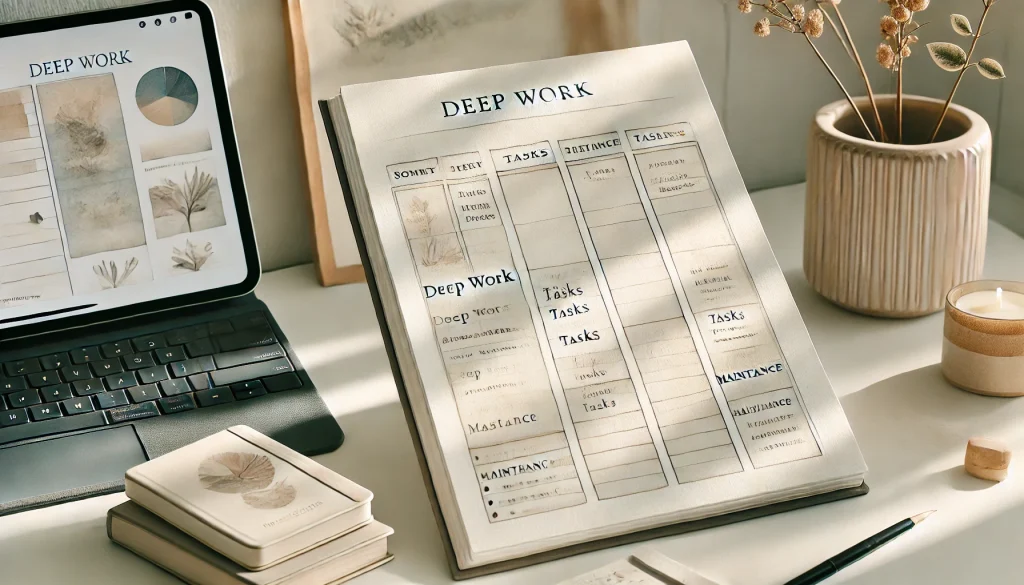
Understanding what is the 3 3 3 rule is one thing. Applying it is where the real transformation happens.
This method works best when you plan your day before it begins. The goal is to remove decisions during the day and replace them with a clear structure.
Here is a simple step by step approach:
- Choose your most important task before the day starts
- Block 3 hours of uninterrupted deep work
- List 3 shorter tasks for later in the day
- Assign 3 maintenance tasks to finish the day
This structure turns your day into a predictable system instead of a reactive loop.
Time blocking productivity plays a key role here. When each part of your day has a dedicated space, it becomes easier to focus and follow through.
The day naturally follows a rhythm:
- Focus through deep work
- Execute through shorter tasks
- Maintain through routine tasks
This flow reduces mental friction and helps you stay consistent without feeling overwhelmed.
Instead of constantly asking what to do next, you simply follow the system.
Section 4: Example of a 3 3 3 Productive Day

To truly understand what is the 3 3 3 rule, it helps to see how it plays out in a real day.
Instead of guessing what to do next, your entire day is already structured. Each block has a purpose, and each task fits into a clear system.
Here is a simple example of a 3 3 3 rule time management day:
Morning
- 3 hours of deep work
- Example: writing an article, studying a complex topic, or working on a key project
This is your most important block. It is where the deep work method creates real progress without distractions.
Midday
- 3 shorter tasks
- Example: reviewing documents, preparing a presentation, completing small deliverables
This phase keeps momentum going while working on tasks that still matter but require less intense focus.
Late day
- 3 maintenance tasks
- Example: replying to emails, planning the next day, handling admin work
This is where your daily productivity system stays organized and functional.
The key takeaway is simple.
You are not just busy. You are intentional.
You move forward on meaningful goals while still handling everyday responsibilities. The 3 3 3 method productivity approach ensures that nothing important is ignored and nothing unnecessary takes over your day.
Section 5: Benefits of the 3 3 3 Rule for Productivity

The strength of the 3 3 3 rule for productivity is not just in its structure, but in how it changes the way you work.
When your day is clearly defined, your mind becomes calmer. You stop reacting and start executing.
Here are the key benefits:
- Sharper focus because you concentrate on one major task at a time
- Less multitasking and context switching, which improves efficiency
- Reduced decision fatigue since your tasks are already planned
- Clear daily structure that removes uncertainty
- Lower stress and overwhelm because everything has its place
This is where most productivity rules fall short. They tell you to do more. The 3 3 3 rule tells you to do what matters.
Over time, the shift becomes obvious.
You move from reactive work to intentional work.
Instead of chasing tasks, you follow a system. Instead of feeling busy, you start seeing real progress.
It also helps you stop forgetting tasks, because everything has a clear place in your daily structure instead of being left to memory.
Section 6: Different Variations of the 3 3 3 Rule

One of the biggest strengths of the 3 3 3 method productivity system is its flexibility. It is not a rigid formula you must follow perfectly. It is a framework you can adapt based on how you work, your schedule, and your energy levels.
While the core idea stays the same, different versions of the 3 3 3 rule time management approach exist.
Here are the most common variations:
Time block version
- 3 focused work sessions during the day
- Each session is dedicated to a specific type of task
- Often paired with time blocking productivity tools like calendars
This version focuses more on structuring time rather than categorizing tasks.
Priority based version
- 3 top priorities for the day
- 3 structured work blocks
- 3 intentional breaks
This approach blends productivity rules with energy management, helping you stay focused without burnout.
Energy based 3.3 rule
- Work for up to 3 hours
- Take a recovery break equal to about 30 percent of that time
This version emphasizes sustainability. It aligns well with the deep work method by balancing focus with recovery.
The key idea is simple.
The 3 3 3 rule is adaptable, not rigid.
You can shape it into a daily productivity system that fits your lifestyle instead of forcing your day into a strict template.
Section 7: When the 3 3 3 Rule Works Best (And When It Doesn’t)

Like any system, the 3 3 3 rule for productivity works best in the right context. It is powerful, but it is not universal.
It works especially well for:
- Knowledge workers who need focused thinking time
- Students managing study sessions and assignments
- Creators working on writing, design, or content
- Remote workers who control their own schedules
In these situations, the structure supports focus, reduces distractions, and makes time blocking productivity easier to implement.
However, there are limitations.
- Unpredictable schedules where priorities constantly change
- Days filled with meetings that break deep work time
- Reactive job roles that require immediate responses
In these cases, following the system strictly can feel difficult or unrealistic.
That is why it is important to see the 3 3 3 method productivity approach as a framework, not a constraint.
You are not meant to follow it perfectly every day. You are meant to use it as a guide to bring more structure, clarity, and intention into your work.
Section 8: How to Make the 3 3 3 Rule Actually Stick
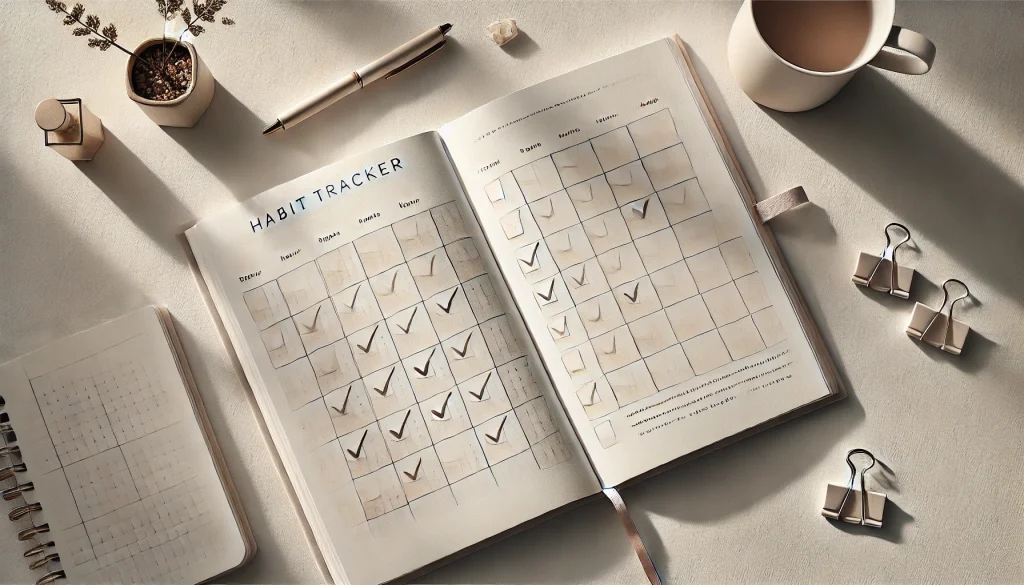
Understanding what is the 3 3 3 rule is easy. Sticking to it consistently is where most people struggle.
The difference comes down to how you apply it in real life. The goal is not perfection. The goal is consistency.
Here is how to make the 3 3 3 method productivity system actually work for you:
- Keep tasks realistic so your day feels achievable, not overwhelming
- Start small if needed, even a 1–1–1 version to build momentum
- Use calendars or planners to support time blocking productivity
- Protect your deep work time by reducing distractions and interruptions
- Review and adjust your system daily based on what worked
This is where the system connects with habit building.
A daily productivity system only works when it becomes automatic. The more consistently you follow the structure, the less effort it takes to maintain it. Over time, your brain begins to expect this rhythm.
Instead of forcing productivity, you build it into your routine.
Conclusion: A Simple System That Brings Clarity to Your Day

Productivity is often misunderstood as doing more. More tasks, more hours, more effort.
But real productivity is about doing what matters most.
That is the core idea behind understanding what is the 3 3 3 rule.
It simplifies your day into three clear parts:
- 3 hours of deep work on your most important task
- 3 meaningful tasks that keep progress moving
- 3 maintenance tasks that keep everything organized
This structure removes the noise. It gives your day direction.
The deeper insight is this.
Structure creates freedom.
When your time is organized, your mind is free to focus. When your priorities are clear, your energy is used effectively.
When your day has a clear shape, productivity stops feeling like effort and starts feeling automatic.
FAQ
1. What is the 3 3 3 rule for productivity?
The 3 3 3 rule for productivity is a simple daily planning system that divides your workday into three parts. You spend 3 hours on deep work, complete 3 shorter meaningful tasks, and finish with 3 maintenance tasks. This method helps create a clear daily productivity system, reduce overwhelm, and improve focus.
2. How does the 3 3 3 method improve productivity?
The 3 3 3 method productivity approach improves focus by limiting the number of tasks you handle each day. Instead of multitasking, you follow a structured plan that prioritizes deep work and essential tasks. This reduces decision fatigue and makes time blocking productivity easier to maintain.
3. Is the 3 3 3 rule good for time management?
Yes, the 3 3 3 rule time management system is effective because it organizes your day into clear categories. It ensures you work on high-value tasks while still managing routine responsibilities. This balance helps you stay productive without feeling overwhelmed.
4. Can beginners use the 3 3 3 rule effectively?
Yes, beginners can easily start using the 3 3 3 rule by simplifying it. You can begin with fewer tasks, such as a 1–1–1 version, and gradually build up. Over time, this approach becomes a consistent daily productivity system that is easy to follow.
5. How is the 3 3 3 rule different from other productivity rules?
Unlike many productivity rules that focus on doing more, the 3 3 3 rule focuses on doing fewer tasks with more intention. It combines the deep work method with structured planning, helping you prioritize meaningful work instead of reacting to a long to-do list.


