


Introduction: Why Most People Fail at Building Habits

Every January, motivation spikes. Gym memberships rise. Journals fill with bold promises. And then, quietly, consistency crashes.
You start strong. You miss one day. Then two. Then the story begins. Maybe you are not disciplined enough. Maybe you just lack willpower.
That belief is the real problem.
Willpower is unreliable. It fluctuates with sleep, stress, mood, and environment. If discipline alone were the best way to build habits, everyone who felt motivated on Monday would still be consistent by Friday.
The truth is simpler and more powerful. The best way to build habits is not through force. It is through understanding the science of habit formation and designing behaviors that work with your brain, not against it.
In this article, we will break down:
- The habit loop and how habits actually form
- Identity based habits and why they stick
- Micro habits and environment design that remove friction
- The 66 day automation window and what realistic progress looks like
Once you understand the mechanics, habit building stops feeling like a personality trait and starts feeling like a system.
Table of Contents
Section 1: How Habits Actually Form and the Science Behind the Habit Loop
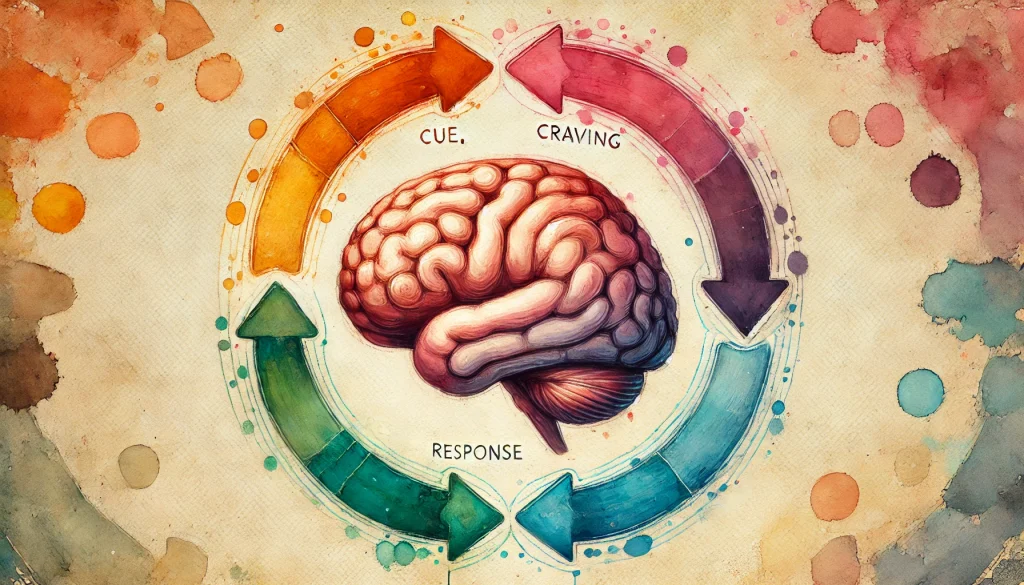
If you want to know the best way to build habits, you have to start with how habits actually work.
Habits are not random. They follow a predictable neurological pattern known as the habit loop. This loop has four stages:
- Cue
- Craving
- Response
- Reward
Here is how it plays out.
A cue triggers your brain to initiate a behavior. It can be a time of day, a location, an emotional state, or another action.
The craving is the desire behind the behavior. You are not craving the habit itself. You are craving the change in state it brings.
The response is the actual behavior. This is the habit you perform.
The reward reinforces the loop. It teaches your brain that this behavior is worth remembering and repeating.
Over time, this cycle wires the behavior into your nervous system. The brain begins to automate it to conserve energy. That is why you can brush your teeth or check your phone without conscious thought.
Habits are neurological shortcuts. They are efficiency tools, not moral victories. You are not good because you have good habits, and you are not weak because you struggle. You are simply operating on patterns your brain has learned.
Once you understand the cue craving response reward cycle, you stop relying on motivation and start designing triggers, reducing friction, and reinforcing outcomes.
If we understand the loop, we can engineer better inputs. And when you engineer the inputs, the output becomes automatic.
That is where real habit change begins.
Section 2: Focus on Systems, Not Goals to Build Habits Effectively
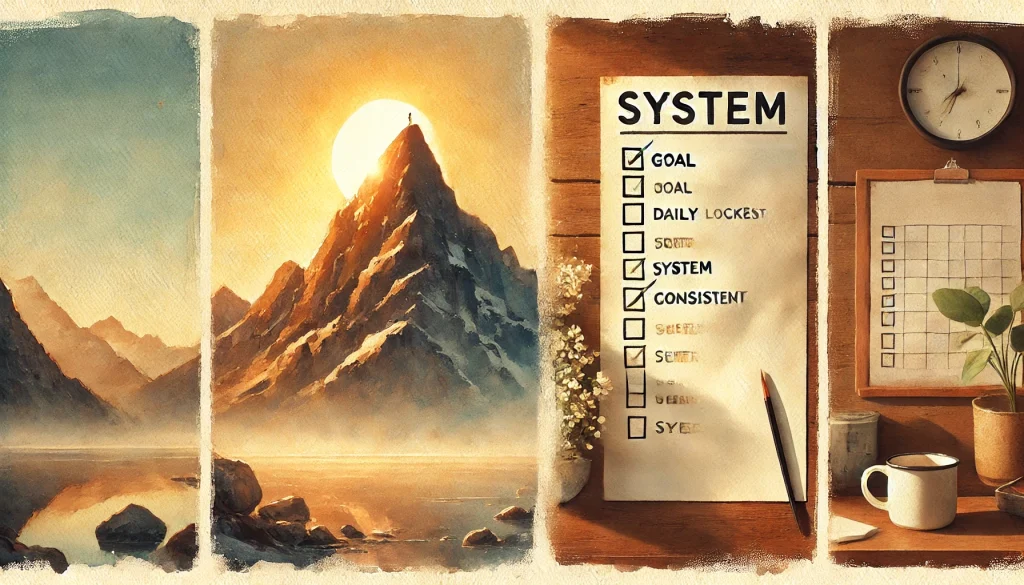
Most people think the best way to build habits is to set bigger goals.
- Lose 10 kilos.
- Write a book.
- Wake up at 5 AM.
Goals are exciting. They give direction. But they are outcomes. And outcomes do not create daily behavior. Systems do.
Here is the difference:
- Goals are destinations.
- Systems are the processes that move you forward every day.
A goal says, “I want to get fit.”
A system says, “I train for 20 minutes every morning.”
A goal says, “I want to build a reading habit.”
A system says, “I read one page before bed.”
Goals are momentary. Systems are repeatable.
When you focus only on the goal, you rely on bursts of motivation. When you focus on the system, you create consistency. And consistency is what builds habits.
This is where the 1 percent improvement principle becomes powerful. Improving by just 1 percent each day feels insignificant in the moment. But small improvements compound. Over weeks and months, tiny gains multiply into visible transformation.
Habit formation works the same way. One small action repeated daily becomes automatic. That automatic behavior reshapes identity. That identity shapes future decisions.
Intensity feels productive. Sustainability is what actually works.
If you are searching for the best way to build habits effectively, think less about dramatic change and more about daily repetition. Systems remove emotion from the equation. They make progress boring. And boring is sustainable.
But systems become unstoppable when they are connected to something deeper than outcomes. They work best when tied to identity.
Section 3: Build Identity Based Habits for Lasting Change

If systems are the engine, identity is the fuel.
The most powerful shift in habit formation happens when you stop asking, “What do I want to achieve?” and start asking, “Who do I want to become?”
Identity based habits flip the script.
Instead of chasing outcomes, you choose an identity first. Then you prove it through small, repeatable actions.
The process looks like this:
- Decide who you want to be.
- Prove it with small daily wins.
For example:
Not “I want to read 30 books this year.”
But “I am a reader.”
Not “I want to run a marathon.”
But “I am someone who trains consistently.”
Every time you act in alignment with that identity, you reinforce it. The brain begins to associate your behavior with who you are. Repetition strengthens belief. Belief strengthens behavior.
This is how self image evolves. Not through affirmations, but through evidence.
In many ways, building better habits is the foundation of personal reinvention. If you are trying to restart your life, it does not begin with one dramatic decision. It begins with small identity-based actions repeated daily.
Each completed action becomes a vote for your future self. One page read is a vote. One workout completed is a vote. One healthy meal chosen is a vote.
You do not need perfection. You need enough votes to tip the scale.
When identity shifts, habits stop feeling forced. They start feeling aligned.
But identity alone is not enough. Even strong identity can collapse under friction.
For identity to survive, action must be easy.
That is where micro habits and frictionless design come in.
Section 4: Start Small to Build Habits That Stick

Overwhelm kills consistency.
When a habit feels big, your brain looks for escape routes. You negotiate. You delay. You quit. That is why the best way to build habits is often to shrink them.
Micro habits remove intimidation.
- Read one page
- Meditate for two minutes
- Put on running shoes
- Do one push up
These actions look almost too small to matter. That is the point.
Small behaviors lower psychological resistance. They require less motivation. They bypass the internal debate. Instead of asking,“Do I feel like doing this?” you ask, “Can I do this for two minutes?” The answer is almost always yes.
This is where the Two Minute Rule becomes powerful. Any new habit should be scaled down to something that takes less than two minutes to start. The goal is not performance. The goal is repetition.
When you repeat small actions consistently, you build trust with yourself. And trust creates momentum.
Momentum is more important than intensity.
Most people fail because they try to go from zero to extreme. Sustainable habit formation works differently. It follows a simple scaling principle.
Make it easy first. Then expand.
Once the behavior becomes automatic, you increase duration or difficulty. One page becomes ten. Two minutes becomes twenty. Putting on shoes becomes running five kilometers.
If you want to know the best way to build habits effectively, start smaller than you think you need to.
But small habits need reliable triggers to survive.
That is where smart cue design comes in.
Section 5: Use Habit Stacking and Implementation Intentions to Make Habits Predictable

Consistency improves when behavior becomes predictable.
Habit stacking connects a new habit to something you already do daily. Instead of relying on memory or motivation, you attach the new behavior to an existing routine.
The formula is simple:
After I [current habit], I will [new habit].
Examples:
- After I brush my teeth, I will meditate for two minutes.
- After I make coffee, I will read one page.
- After I sit at my desk, I will drink a glass of water.
The existing habit becomes the cue. This strengthens the habit loop and reduces friction.
Implementation intentions take this further. They remove ambiguity by defining when and where a behavior will happen.
The structure looks like this:
If X happens, then I will do Y.
Examples:
- If it is 3 PM, then I will stretch for five minutes.
- If I feel stressed, then I will take five slow breaths.
Specificity increases follow through. Vague plans create vague results. Clear triggers create consistent action.
Research on habit formation shows that stable context is critical. The more consistent the cue and environment, the faster a behavior becomes automatic. This is how habits move from conscious effort to unconscious routine.
If you are searching for the best way to build habits that last, reduce decision making. Attach behavior to fixed cues. Make the action predictable.
And remember, cues do not only exist in routines.
They also live in your environment.
Section 6: Design Your Environment to Make Success Inevitable

If you rely on willpower, you are fighting an uphill battle.
If you design your environment, you are removing the hill.
One of the best ways to build habits is to make good behaviors obvious and frictionless. Your surroundings constantly send signals. Most of your daily actions are responses to what is visible and accessible.
Make good habits easy to see.
- Place a water bottle on your desk
- Put a book on your pillow
- Lay out workout clothes the night before
- Keep healthy snacks at eye level
When the cue is visible, the behavior becomes more likely.
Now reverse it for bad habits.
Hide the cues.
- Keep junk food out of sight
- Turn off non essential notifications
- Move distracting apps off your home screen
- Keep the TV remote out of reach
Environment is a silent behavior shaper. It nudges you without negotiation. It reduces the need for constant decision making.
Motivation fluctuates. Stress rises. Energy dips. Discipline fades.
If low energy is making consistency harder than it should be, improving your mornings can dramatically strengthen your habit system. Simple biological resets like hydration, sunlight, and sleep rhythm can make habits easier to maintain. You can learn more about how to fix low energy in the morning here.
Environment remains.
If you want habit formation to feel easier, stop trying to upgrade your willpower. Upgrade your surroundings.
When the right behavior becomes the default option, consistency stops feeling heroic.
And once a behavior is consistent, it needs reinforcement.
Because behavior sticks when it feels rewarding.
Section 7: Reinforce Habits with Immediate Rewards
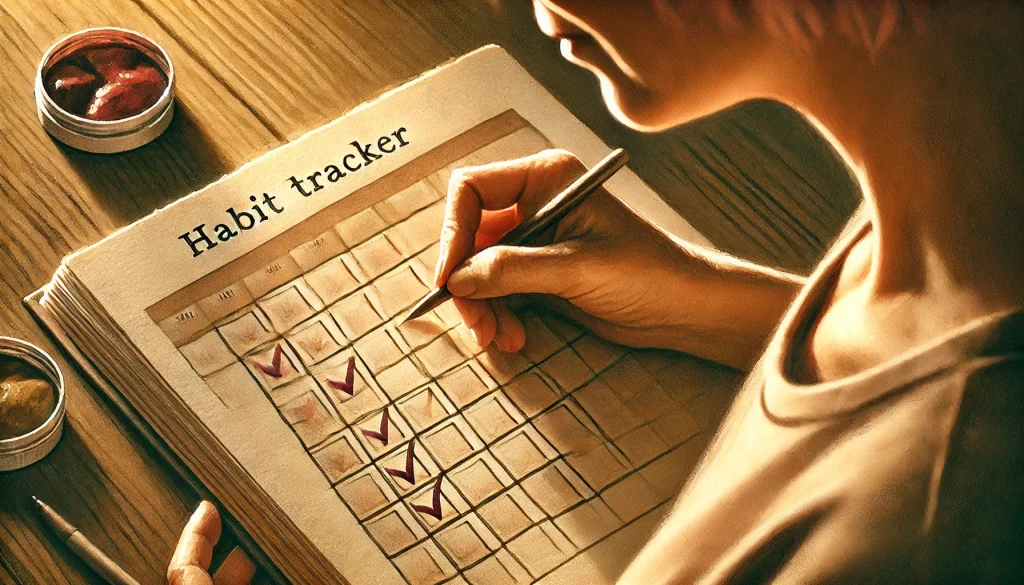
Every habit lives or dies by its reward.
In the habit loop, reward is what teaches your brain to repeat the behavior. Without satisfaction, the loop weakens. With satisfaction, it strengthens.
The brain responds strongly to immediate positive emotion. Long term benefits like better health or future success are abstract. Immediate feelings are powerful.
That is why small celebrations matter.
- Check off a habit tracker
- Say a quiet “done” after completing the task
- Smile and acknowledge the win
- Pair the habit with something enjoyable
The reward does not need to be large. It needs to be satisfying.
When you attach a positive emotion to a behavior, you increase the chance of repetition. Over time, the behavior itself becomes the reward. But in the beginning, reinforcement accelerates habit formation.
If you are serious about discovering the best way to build habits, do not ignore this step. Reward wires repetition.
But there is a question most people still ask.
How long does it actually take for a habit to become automatic?
Section 8: How Long Does It Take to Build a Habit? The 66 Day Truth

One of the most searched questions in habit formation is simple. How long does it take to build a habit?
The answer is not 21 days.
A landmark study by researcher Phillippa Lally and her team found that habit formation can take anywhere from 18 to 254 days. The average was 66 days.
That number matters. Not because it is magical, but because it sets realistic expectations.
Habit automation depends on consistency and complexity.
- Simple habits in stable environments automate faster
- More complex behaviors like exercise take longer
- Personal lifestyle and context influence speed
Drinking a glass of water after breakfast may become automatic in weeks. Training daily at the gym may require months of repetition before it feels effortless.
The key insight is this. Habit formation is not a fixed deadline. It is a gradual strengthening of a neural pathway.
And here is what many people get wrong.
Missing one day does not erase progress.
In the Lally study, participants who skipped occasionally still formed habits. Perfection is not required. Consistency over time is what matters.
Obsession with streaks often backfires. When a streak breaks, motivation collapses. A better mindset is long term repetition. Show up more often than you skip. Protect the pattern, not the perfection.
If you are searching for the best way to build habits effectively, anchor yourself to realistic timelines. Sixty six days is an average, not a promise. The real goal is steady repetition until the behavior feels natural.
And when you combine everything you have learned, the process becomes clear.
Section 9: The Best Way to Build Habits and Make Them Stick
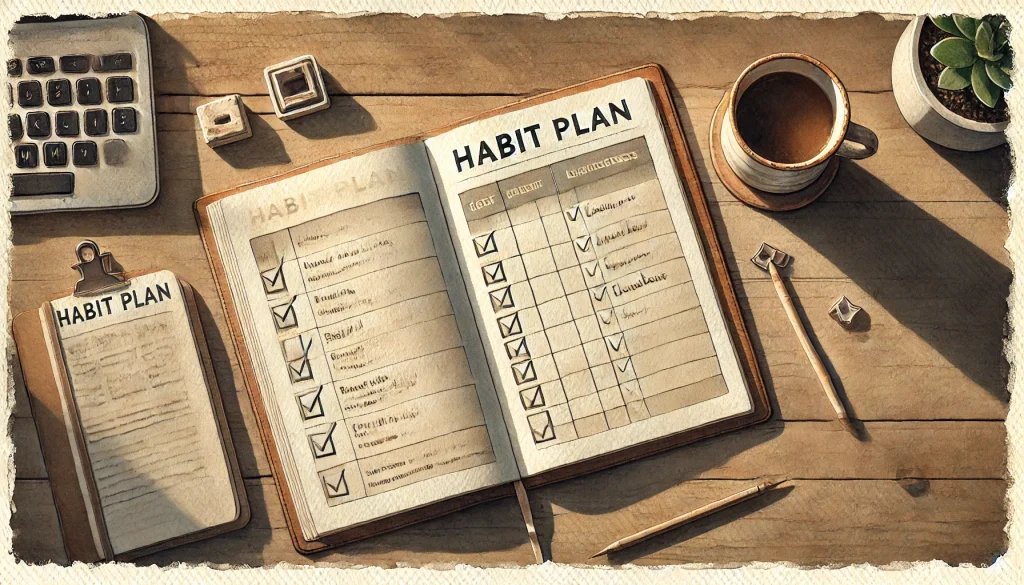
So what is the best way to build habits?
It is not intensity.
It is not motivation.
It is not waiting to feel ready.
It is engineering.
When you put the pieces together, the strategy becomes simple and powerful:
- Understand the habit loop of cue craving response reward
- Choose identity first and act in alignment with it
- Start ridiculously small to remove resistance
- Attach new habits to existing cues
- Design your environment to reduce friction
- Reward the behavior immediately
- Stay consistent for around 66 days or longer
This approach works because it respects how the brain actually functions. It removes reliance on emotion and replaces it with structure.
The best way to build habits is to design systems that make success predictable. You are not trying to force change. You are building conditions where change becomes automatic.
When habits are engineered correctly, discipline becomes less necessary. The behavior begins to run on autopilot.
And that is the real goal of habit formation. Not effort. Not struggle.
Automation.
Conclusion: Habits Are Built by Design, Not Determination

If there is one truth at the center of habit formation, it is this.
Willpower is unreliable. Systems are repeatable.
Motivation rises and falls with sleep, stress, mood, and circumstance. Some days you feel unstoppable. Other days you feel drained before you begin. If your habits depend on how you feel, they will always be fragile.
But when you design systems, you remove emotion from the equation. You create cues. You reduce friction. You reward repetition. You show up whether you feel inspired or not.
That is the best way to build habits.
Small actions may look insignificant in isolation. One page. One workout. One healthy choice. But repeated daily, they compound. Tiny behaviors stack into identity. Identity shapes decisions. Decisions shape outcomes.
This is how transformation actually happens.
Not through dramatic overhauls.
Not through bursts of discipline.
But through structured, repeatable action.
Each repetition strengthens the story you tell about yourself. Each small win reinforces who you are becoming.
You are not chasing goals anymore. You are building evidence.
Remember this:
You do not rise to the level of your motivation.
You fall to the level of your systems.
So build the system.
Design the cues.
Start small.
Stay consistent.
And the habit will build itself.
FAQ
1. What is the best way to build habits that actually last?
The best way to build habits is to design them around how your brain works. That means understanding the habit loop of cue, craving, response, and reward, starting with micro habits, attaching them to existing routines, and reinforcing them with immediate rewards. Instead of relying on willpower, focus on systems and identity based habits. When the structure is right, consistency becomes easier.
2. How long does it really take to build a habit?
Research by Phillippa Lally found that habits can take anywhere from 18 to 254 days to become automatic, with an average of 66 days. Simpler habits in stable contexts form faster, while more complex behaviors like exercise may take longer. The key is consistent repetition, not perfection.
3. What if I miss a day while building a habit?
Missing one day does not reset your progress. Habit formation is about long term consistency, not streak perfection. The most important rule is to return to the behavior quickly. Protect the pattern, not the streak.
4. Are micro habits really effective for long term habit formation?
Yes. Micro habits reduce resistance and make it easier to start. Reading one page or exercising for two minutes may seem small, but repetition builds momentum. Once the behavior becomes automatic, you can scale it. Starting small is often the most effective way to build habits sustainably.
5. Why does identity matter in habit building?
Identity based habits are powerful because they shift the focus from outcomes to who you are becoming. Instead of trying to achieve a goal, you reinforce a self image through small daily actions. Every repetition becomes evidence of that identity. When your habits align with who you believe you are, consistency becomes natural.


