


Introduction: Why Do We Forget Tasks So Easily
Forgetting tasks has become almost a normal part of modern life. Between work responsibilities, personal errands, notifications, and constant digital distractions, it is easy to lose track of what needs to be done. Many people ask themselves the same question: why do I keep forgetting tasks even when they feel important?
The truth is that the human brain was never designed to juggle dozens of reminders, deadlines, and responsibilities all at once. Your mind is excellent at solving problems and generating ideas, but it is not meant to act as a storage system for every small obligation throughout the day.
This is why forgetting things frequently does not necessarily mean you have a bad memory. In many cases, the real issue is the lack of a reliable system to capture and manage tasks. When everything lives inside your head, it becomes much harder to remember tasks consistently.
Learning how to stop forgetting tasks often starts with a simple shift in perspective. Instead of blaming your memory, you begin building systems that help you organize tasks better, track responsibilities, and prompt you at the right time.
In this guide, you will learn science backed strategies and practical methods that show how to remember tasks better, including productivity systems, memory techniques, and small daily habits that reduce forgetfulness and make your day easier to manage.
Table of Contents
Section 1: Why Your Brain Forgets Tasks in the First Place
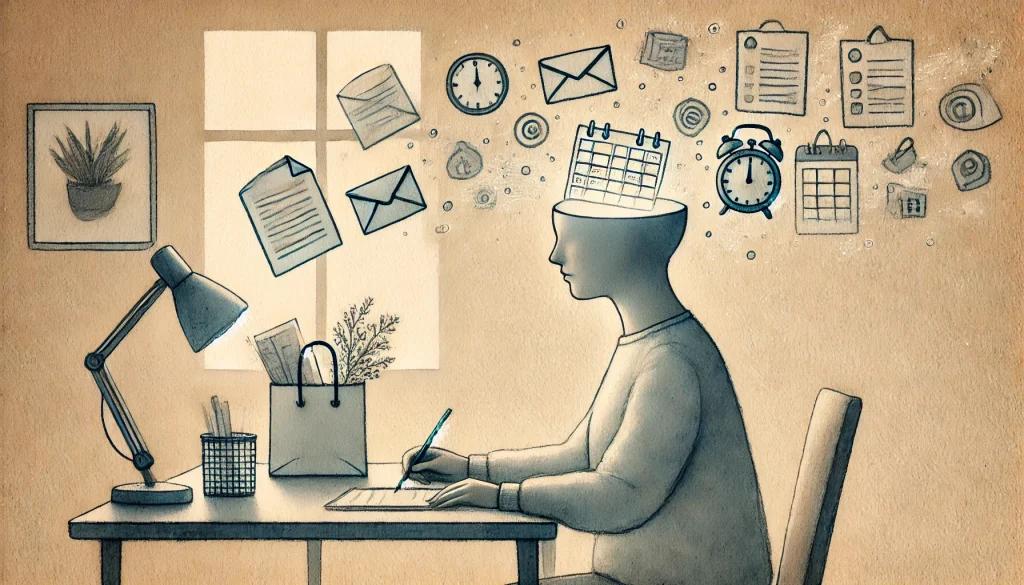
If you constantly wonder why do I keep forgetting tasks, the answer often lies in how the brain processes information.
Your brain has limited working memory. Working memory is responsible for temporarily holding information while you perform tasks. When too many responsibilities compete for attention, the brain simply cannot keep track of everything.
This is known as cognitive load. When cognitive load becomes too high, important tasks can easily slip through the cracks.
Common causes of task forgetfulness include :
• Too many responsibilities competing for attention
• Lack of clear task organization
• No reminders or external systems
• Constant distractions and interruptions
Another important reason people forget tasks frequently is the difference between storing information and retrieving it at the right moment.
Your brain may successfully store a task earlier in the day. The problem is retrieval. If there is no trigger or reminder at the right time, the task may remain buried in memory until it is too late.
This is why relying on memory alone is unreliable. Even highly organized people struggle when they depend entirely on their brain to track responsibilities.
Instead of trying to force your brain to remember everything, the better approach is to build systems that support how the mind naturally works when you create simple systems that help you organize tasks better, reduce cognitive overload, and trigger reminders at the right moment, it becomes far easier to remember tasks consistently and stop forgetting important responsibilities.
Section 2: Externalize Your Memory With Task Management Systems
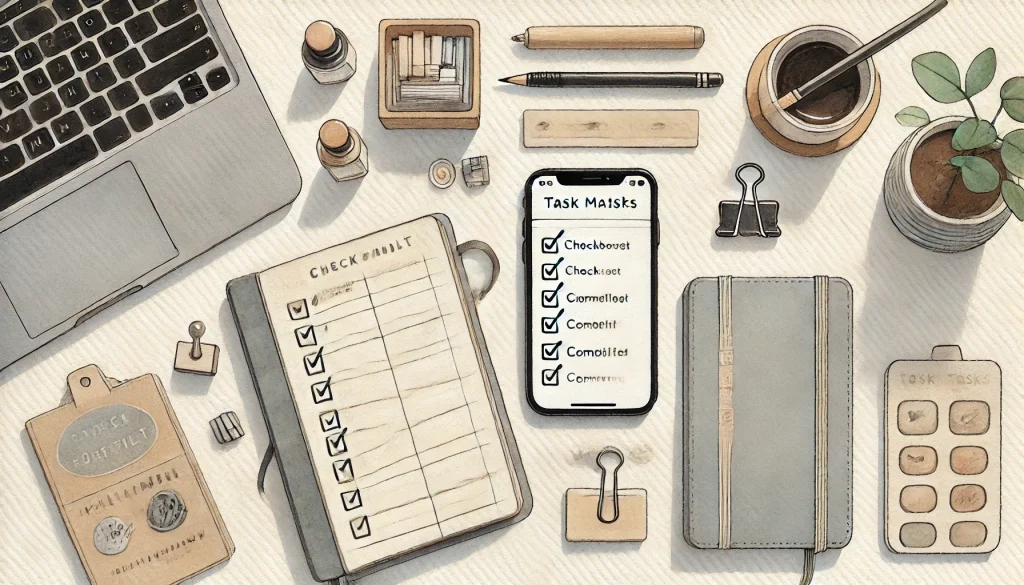
One of the most effective ways to stop forgetting tasks is to stop relying on your brain to store them. Instead, you move tasks out of your head and into a trusted system. This approach is known as externalizing memory.
Externalizing memory simply means recording tasks somewhere outside your mind so you no longer have to mentally track everything. When tasks live only in your head, your brain must constantly try to remember them, which increases stress and cognitive load. Over time, this makes forgetting things frequently much more likely.
Writing tasks down immediately removes this pressure. Once a task is captured in a reliable system, your brain can focus on actually completing it instead of trying to remember it.
Many people use task management apps as digital extensions of memory. These tools allow you to quickly record responsibilities, organize them, and receive reminders when it is time to act. Instead of wondering how to remember tasks better, the system does the remembering for you.
Some key benefits of using a task management system include :
• Automatic reminders for deadlines and important tasks
• Clear organization of daily responsibilities
• Ability to prioritize what needs attention first
• Reduced mental clutter and decision fatigue
When tasks are stored in a trusted system, your brain is freed from constantly trying to track everything. This simple shift can dramatically reduce the chances of forgetting important responsibilities and help you organize tasks better throughout the day.
Section 3: Break Tasks Into Smaller Checklists
Another reason people struggle with forgetting tasks is that many responsibilities feel too large or unclear. When a task appears complicated, the brain often delays it or avoids thinking about it altogether.
Large tasks like planning an event, preparing a report, or organizing a project can feel overwhelming. Without clear steps, it becomes harder to remember where to start or what needs to happen next.
This is where checklists become extremely useful. Breaking tasks into smaller steps creates clarity and makes the work easier to manage. Instead of remembering one vague task, you follow a simple sequence of actions.
Checklists help you :
• Turn complex projects into manageable steps
• Reduce mental effort required to remember tasks
• Track progress as each step is completed
• Stay focused on one action at a time
For example, instead of writing a single task like prepare presentation, you could break it down into clear steps such as :
• Research the topic
• Outline the key points
• Create presentation slides
• Add visuals and examples
• Review and edit the slides
• Practice the presentation
Each small step becomes easier to complete and far easier to remember. This method helps you organize tasks better, reduce overwhelm, and makes it much less likely that important parts of a project will be forgotten.
Section 4: Use Timely Reminders and Alarms
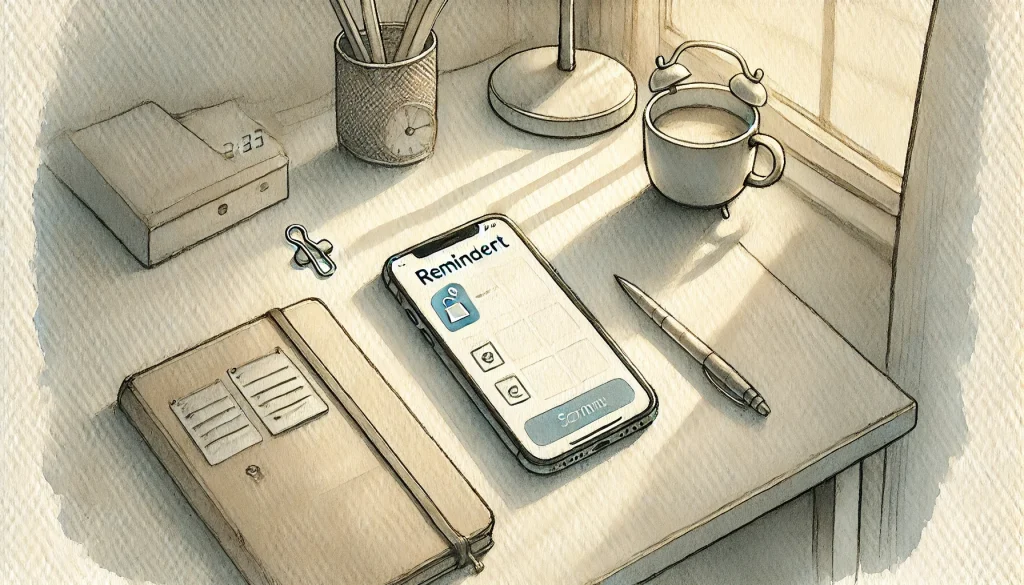
If you often ask yourself why do I keep forgetting tasks, the answer may simply be timing. Many tasks are remembered at the wrong moment. You might remember something in the morning, but forget it completely by the afternoon when it actually needs to be done.
This is why reminders are far more reliable than depending on memory alone. Your brain may store information, but without a trigger at the right time, the task is easily forgotten.
Timely reminders act as external signals that prompt action exactly when needed. Instead of hoping you will remember later, you create a system that notifies you automatically.
Alarms and notifications are especially useful for
• Deadlines and appointments
• Time sensitive tasks
• Important daily routines
• Tasks that must happen at a specific time
For example, setting a reminder to send an email at 3 PM ensures the task appears exactly when you need to act. This simple system helps you remember tasks without constantly thinking about them.
You can also set reminders for specific situations, not just times. Many modern apps allow location based reminders. For example, a reminder can appear when you arrive at the grocery store or when you leave home.
These small triggers make it easier to organize tasks better and significantly reduce the chances of missing important responsibilities. Over time, reminders become a reliable support system that helps you stop forgetting tasks in everyday life.
Section 5: Use Memory Techniques That Strengthen Recall
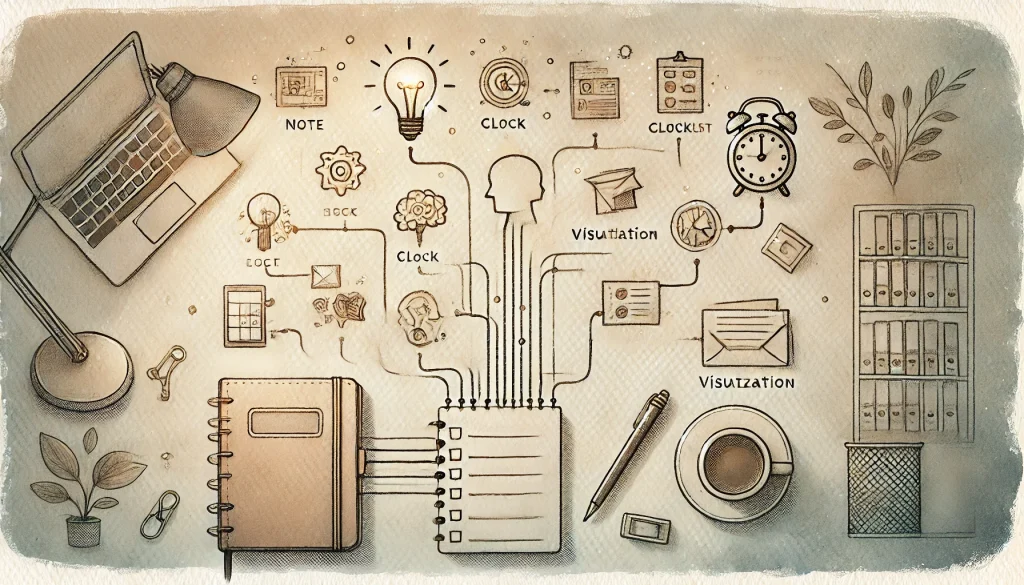
In addition to systems and reminders, certain cognitive techniques can improve how your brain stores and retrieves information. These methods are widely used in learning science and can also help you remember tasks more consistently.
When used correctly, these techniques strengthen recall and make it easier to remember important responsibilities throughout the day.
5.1 Spaced Repetition
Spaced repetition is a learning technique that strengthens memory by reviewing information at increasing time intervals. Instead of trying to remember something once and hoping it sticks, you revisit it multiple times over a longer period.
A simple pattern might look like this :
• Review the task today
• Review it again tomorrow
• Review it a few days later
• Review it again after a week
This method works because of a phenomenon known as the spacing effect, first discovered in memory research in the late 1800s. The brain retains information better when exposure is spread over time rather than repeated in a short burst.
Applying spaced repetition to your task list can help reduce forgetting things frequently and strengthen long term recall.
5.2 Chunking Information
Another effective technique for improving memory is chunking. Chunking means grouping pieces of information into smaller, organized units so they are easier for the brain to process.
Human working memory can usually hold only a limited number of items at once. When tasks are grouped into categories, they become easier to remember.
For example, instead of remembering several scattered errands, you could group them by location
• Grocery store tasks
• Pharmacy pickup
• Post office visit
• Bank errands
This approach reduces mental clutter and helps you organize tasks better, making it easier to remember what needs to be done in each place.
5.3 Story Based Memory
Story based memory uses imagination to link tasks together through visual or narrative connections. The brain naturally remembers stories and images more easily than isolated facts.
To use this technique, create a simple mental story that connects your tasks.
For example, imagine you need to
• Buy milk
• Call a plumber
• Pick up laundry
You might visualize milk spilling across the kitchen floor, flooding the room, and forcing you to call a plumber. While the image may seem unusual, that vivid picture helps your brain remember the sequence of tasks.
This type of creative visualization can make it much easier to remember tasks better, especially when you need to recall several things in order.
Section 6: Build Daily Habits That Prevent Forgetting

One of the most reliable ways to stop forgetting tasks is to build routines that remove the need to remember things consciously. When actions become habits, they require far less mental effort. Instead of constantly reminding yourself what to do, your environment and daily routines guide your behavior automatically.
Habit building works because they create predictable patterns. When the same actions happen in the same order every day, the brain no longer has to track them actively. This reduces mental load and helps prevent forgetting things frequently.
Simple routines can make it much easier to remember tasks, stay organized, and move through your day without constantly worrying about what you might forget.
6.1 Fixed Locations for Important Items
One of the easiest habit systems is assigning fixed locations for items you use every day. When objects always return to the same place, you eliminate the need to remember where you left them.
For example, many people misplace essentials like :
• Keys
• Wallet
• Phone
• Glasses
Instead of searching for these items each morning, place them in the same location every night. This could be a small tray near the door, a specific drawer, or a designated shelf.
Over time, this routine becomes automatic. You will instinctively place items in their spot without thinking, which helps you organize tasks better and prevents small daily frustrations caused by forgetfulness.
6.2 Visual Triggers and Environmental Cues
Another effective strategy is using visual cues in your environment to prompt action. These cues act as reminders that appear naturally throughout your day.
Examples of visual reminders include :
• Sticky notes placed in visible locations
• A laundry basket placed near the door
• A notebook left on your desk as a reminder to review tasks
• A water bottle on your table to remind you to stay hydrated
Strategically placing these cues can make a big difference. When reminders are visible, your brain receives a clear signal to act without needing to recall the task from memory.
Visual triggers are especially helpful for people who struggle with forgetting tasks, because they create consistent prompts throughout the day.
6.3 The Two Minute Rule
The two minute rule is a simple productivity principle that can dramatically reduce the number of tasks you forget.
The idea is straightforward. If a task takes less than two minutes to complete, do it immediately instead of adding it to your list.
Examples include :
• Replying to a quick email
• Putting dishes in the sink
• Scheduling an appointment
• Filing a document
Completing small tasks right away eliminates the need to track them later. This prevents your task list from filling with minor responsibilities and reduces the chances of forgetting things frequently.
Over time, this habit keeps your workload lighter and helps you remember tasks better because fewer items remain on your list.
Section 7: The Best Apps to Help You Remember Tasks

Digital tools can make it significantly easier to stop forgetting tasks. Task management apps act as reliable systems that capture responsibilities, organize them clearly, and send reminders when action is required.
Instead of trying to remember everything on your own, these apps function as an external memory system that helps you track daily responsibilities and organize tasks better.
Here are some of the most useful apps for managing tasks and preventing forgetfulness.
Todoist
Todoist is one of the most popular task management apps for organizing responsibilities. It allows users to quickly add tasks using natural language and schedule reminders for specific dates and times.
Key benefits include :
• Easy task entry and organization
• Deadline reminders and notifications
• Priority levels for important tasks
• Project folders for larger responsibilities
Todoist is ideal for people who want a clean system to track tasks and remember tasks without relying on memory alone.
Microsoft To Do
Microsoft To Do is a free task manager that integrates well with Outlook and other Microsoft tools. It works well for people who manage tasks related to email and work projects.
Useful features include :
• Daily planning lists
• Email integration with Outlook
• Shared task lists for collaboration
• Reminders and due dates
It provides a simple and reliable system for tracking responsibilities and reducing the chances of forgetting things frequently.
Google Tasks
Google Tasks is a lightweight task manager designed for people who already use Gmail and Google Calendar. Tasks can easily be created from emails and appear directly in your calendar.
Benefits include :
• Simple task tracking
• Gmail and Google Calendar integration
• Quick task entry
• Easy daily planning
This integration makes it easier to manage responsibilities and remember tasks connected to emails and scheduled events.
Apple Reminders
Apple Reminders is a built in task management app for iPhone and other Apple devices. It offers powerful reminder features and integrates seamlessly across the Apple ecosystem.
Key features include :
• Time based reminders
• Location based alerts
• Shared task lists
• Integration with Siri voice commands
For Apple users, this app provides an effortless way to track responsibilities and reduce forgetting tasks throughout the day.
Section 8: Lifestyle Habits That Improve Memory

If you are constantly forgetting things, the problem may not only be organization or productivity systems. Your overall brain health also plays a major role in how well you remember tasks.
Memory is closely connected to sleep quality, physical activity, and how often you actively recall information. When your brain is well rested and stimulated, it becomes much easier to retain and retrieve information throughout the day.
Improving a few lifestyle habits can support your brain’s natural ability to store information and help you remember tasks better without relying entirely on reminders.
8.1 Sleep and Memory Consolidation
Sleep plays a critical role in memory consolidation. This is the process where the brain strengthens and stores information that was learned during the day.
When you sleep, your brain organizes and reinforces important memories while discarding less useful information. Without enough sleep, this process becomes weaker, which increases the chances of forgetting tasks the next day.
Consistent sleep habits can improve memory by
• Strengthening memory retention
• Improving focus and attention
• Helping the brain process new information
If you often struggle with forgetting things frequently, improving your sleep schedule may significantly help your ability to remember tasks and stay mentally sharp.
8.2 Exercise and Brain Function
Physical activity does more than improve physical health. It also supports brain performance and cognitive function.
Regular exercise increases blood flow to the brain, delivering oxygen and nutrients that support memory and learning. It also helps reduce stress, which can interfere with concentration and recall.
Benefits of exercise for memory include :
• Improved focus and attention
• Better cognitive performance
• Increased mental clarity
• Reduced mental fatigue
Even simple activities such as walking, stretching, or light workouts can improve brain function and make it easier to remember tasks throughout the day.
8.3 Retrieval Practice
Many people try to remember tasks by repeatedly reading their to do lists. However, research shows that actively recalling information is far more effective for strengthening memory.
This technique is called retrieval practice. Instead of passively reviewing your task list, you challenge yourself to recall tasks from memory.
For example, you might ask yourself
• What tasks do I need to complete today
• What are my top three priorities
• What errands do I need to run later
This active recall strengthens memory pathways and helps reduce forgetting things frequently. Over time, it can significantly improve your ability to remember tasks better.
8.4 Dual Coding
Another powerful memory technique is dual coding, which involves combining words with visual elements to improve recall.
The brain processes visual information differently from text. When both are used together, the information becomes easier to remember.
Examples of dual coding include
• Adding icons or symbols to task lists
• Using color coded categories for different types of tasks
• Creating visual diagrams or mind maps
Pairing text with visuals helps the brain form stronger connections, making it easier to organize tasks better and recall them later.
Conclusion: The Secret to Remembering Tasks Is Building Systems

If you often wonder why do I keep forgetting tasks, the answer is rarely about having a poor memory. In most cases, the real issue is the absence of reliable systems that support how your brain works. When everything lives in your head, even simple responsibilities can slip through the cracks. Building better systems to capture, organize, and review your tasks does more than improve productivity. It can feel like a small but powerful way to restart your life, replacing daily chaos with clarity, structure, and a sense of control over your time.
Trying to store everything in your mind creates unnecessary mental pressure. When responsibilities pile up, it becomes easy to miss important tasks and feel overwhelmed.
The most effective way to stop forgetting tasks is to combine several strategies that work together.
A strong system typically includes
• Tools that capture and remind you about tasks
• Daily routines that reduce the need to remember things manually
• Cognitive techniques that strengthen memory and recall
When these elements work together, it becomes much easier to organize tasks better and keep track of responsibilities without constant stress.
Start by choosing a few techniques from this guide and applying them consistently. Over time, these small systems will make remembering tasks feel natural and effortless.
When you design systems that support your brain instead of relying on memory alone, you dramatically reduce forgetting things frequently and gain more control over your daily life.
FAQ
1. Why do I keep forgetting tasks even when they are important?
Many people forget tasks because their brain is overloaded with too much information. When responsibilities, reminders, and deadlines are all stored mentally, cognitive load increases and tasks are easier to forget. Instead of relying on memory alone, using systems like task lists, reminders, and routines can help you stop forgetting tasks and keep track of responsibilities more reliably.
2. What is the best way to remember tasks during a busy day?
One of the most effective ways to remember tasks during a busy day is to write them down immediately in a task management app or notebook. Setting reminders and breaking tasks into smaller steps also helps. These systems reduce mental clutter and make it easier to stay organized even when your schedule is packed.
3. How can I organize tasks better so I stop forgetting them?
To organize tasks better, try using a simple system that includes a daily task list, clear priorities, and reminders. Breaking larger projects into smaller steps and reviewing your task list each morning can also help. When tasks are clearly structured, it becomes much easier to track them and avoid forgetting things frequently.
4. Are task management apps helpful for forgetful people?
Yes, task management apps can be extremely helpful for people who struggle with forgetting tasks. Apps like Todoist, Notion, and Microsoft To Do act as external memory systems. They store tasks, organize them into lists, and send reminders so you do not have to rely entirely on your brain to remember everything.
5. Can lifestyle habits improve my ability to remember tasks?
Yes, lifestyle habits play a major role in memory and focus. Getting enough sleep, exercising regularly, and practicing active recall can improve cognitive performance. These habits strengthen your brain’s ability to store and retrieve information, which can help you remember tasks better and reduce everyday forgetfulness.


